Shanghai Weekly Bulletin (Issue 142 No.2, May 2026) ( 2026.05.20 )
Laws and Regulations
National
1. Three Authorities Release Guidelines to Promote Regulated Application and Innovative Development of AI Agents
[Keywords: AI Agents]
Recently, the Cyberspace Administration of China (CAC), the National Development and Reform Commission (NDRC), and the Ministry of Industry and Information Technology jointly issued the Implementation Opinions on Promoting the Regulated Application and Innovative Development of AI Agents. The document clarifies that the development of AI agents shall adhere to the basic principles of remaining safe and controllable, well-regulated and orderly, innovation-driven and application-led. It also sets out measures in four areas, namely, strengthening the development foundation, safeguarding security, enhancing application-driven development and fostering an innovation ecosystem.
Source: CAC
2. NDRC Releases China Business Environment Development Report (2026)
[Keywords: Business environment]
Recently, the NDRC released the China Business Environment Development Report (2026). Focusing on key areas, the document presents the positive progress made in improving the business environment in 2025 through detailed data. It also features a special “14th Five Year Plan in Numbers” section, highlighting trend changes and cumulative achievements in relevant fields over the past five years through 10 sets of key data.
Source: NDRC
Shanghai
1. Shanghai Launches First Batch of Electronic Labeling Pilot Program for Imported Cosmetics in Pudong
[Keywords: Imported cosmetics, Electronic labeling]
Recently, the Shanghai Customs and the Shanghai Municipal Medical Products Administration jointly issued the Announcement on Matters Related to the Launch of the Pilot Program for Electronic Labeling of Imported Cosmetics in Shanghai. The document specifies that the first batch of pilot projects will be carried out in Pudong New Area. Furthermore, the registered address of the pilot enterprises must be located within the Shanghai Pudong New Area, and the pilot products must be imported through ports located within the Shanghai Pudong New Area.
Source: Shanghai Customs 12360 Hotline
2. Pudong New Area Issues Implementation Opinions on Promoting the Development of Highly Skilled Talent
[Keywords: Highly skilled talent]
Recently, the Human Resources and Social Security Bureau of Pudong New Area, together with four other government departments, issued the Implementation Opinions on Promoting the Development of Highly Skilled Talent in Pudong New Area. The document puts forward seven measures in three key areas, including strengthening the development of skilled talent pipelines, giving play to the role of diversified training and evaluation entities, and enhancing the selection and incentive mechanisms for highly skilled talent. The document will take effect on May 20, 2026 and remain valid through December 31, 2028.
Source: People’s Government of Pudong New Area
https://www.pudong.gov.cn/zwgk/14533.gkml_ywl_jycy/2026/113/354694.html
Q&A
At a press conference held by the General Administration of Customs (GACC) to interpret the newly revised Measures for the Supervision and Administration of Inspection and Quarantine of Imported and Exported Cosmetics and the pilot program for electronic labeling of imported cosmetics, an official from the GACC answered reporters’ questions:
Q
What considerations led the GACC to launch the pilot program for electronic labeling of imported cosmetics? Why was Shanghai selected for the first pilot program? Will the pilot program be gradually expanded to other regions across the country in the future?
A
The pilot program for electronic labeling of imported cosmetics is an important measure taken by the GACC to implement the country’s reform to streamline administration, delegate powers, improve regulation and upgrade services, optimize the business environment at ports, and promote consumption upgrading. Following the launch of pilot programs for cosmetic electronic labeling by the National Medical Products Administration in selected provinces and cities in February this year, the GACC proactively aligned with these reform and innovation initiatives, actively responded to the needs of local governments, industry associations and enterprises, and worked together with the National Medical Products Administration to advance the pilot program for electronic labeling of imported cosmetics. The initiative will help achieve seamless coordination between the supervision of imported and domestically produced cosmetics, promote deeper integration between international and domestic markets, effectively stimulate market vitality, amplify the clustering effect of the beauty industry, and better support the upgrading of regional consumption.
Electronic labeling for imported cosmetics offers three major advantages. For enterprises, they help reduce printing and labeling costs, simplify declaration procedures and improve customs clearance efficiency. Label information can also be updated online dynamically in a flexible and convenient manner, while supporting greener production and trade. For regulators, electronic labels enable source traceability, data connectivity and smart regulation. They also help align domestic and international label supervision standards and strengthen risk prevention and control. For consumers, electronic labels make it possible to scan and access complete compliance information. The label content is clearer and more transparent, product authenticity can be verified, and consumers can shop with greater peace of mind.
Shanghai is a major national hub for cosmetics imports and exports, with its import volume consistently ranking first nationwide. In 2025, cosmetics imports through the Shanghai customs district reached RMB 40.44 billion, accounting for 35% of the national total. As the first pilot area for electronic labeling of imported cosmetics, Shanghai is well positioned to leverage its advantages of highly concentrated business activity and abundant application scenarios to comprehensively test the stability of the new system, the convenience of operational procedures and the effectiveness of regulatory measures. The pilot program is expected to help establish a high-standard, replicable and scalable regulatory model, accumulate “Shanghai experience”, and play a leading and demonstrative role. Previously, the GACC introduced 11 measures to support the high-quality development of the cosmetics industry in Oriental Beauty Valley. In the first quarter of 2026, cosmetics exports from Oriental Beauty Valley increased by 31.5% year on year, laying a solid industrial foundation and providing strong support for the implementation of the pilot program.
Next, the GACC will work together with the National Medical Products Administration to continuously monitor and evaluate the effectiveness of the pilot program, further optimize the information system through iterative upgrades, and improve supporting regulatory mechanisms. Adhering to the principles of stability, orderliness and gradual advancement, we will replicate and expand the pilot experience to other ports across the country when conditions are appropriate. As system functions continue to improve and the regulatory framework becomes more comprehensive, electronic labeling for imported cosmetics are expected to gradually become an industry standard, delivering tangible benefits to both enterprises and consumers.
Source: Customs Release
Expert Perspective
Shanghai Releases Updated Measures and Supporting Documents for the Administration of the Negative List for Cross-Border Data Transfers
By Dong Xiao, Wang Weihua, Rao Jiacheng [JunHe LLP]
[Article Summary]
On April 24, 2026, the Shanghai Cyberspace Administration and the Shanghai Municipal Data Administration jointly released the updated Administrative Measures for the Negative List for Cross-Border Data Transfers and related supporting documents, including the trial administrative measures, the 2025 version of the negative list and the implementation guidelines.
Under the updated rules, the scope of application has been expanded from the pilot free trade zone and the Lingang Special Area to the whole of Shanghai, covering all data processors registered in Shanghai that conduct cross-border data transfers. The new rules also introduce reference standards for data classification and grading, specifying identification criteria for important data across 13 primary categories and 40 secondary categories. In addition, situations involving personal information reaching certain volume thresholds are classified as important data.
The updated negative list covers four sectors, namely, reinsurance, international shipping, commerce and trade, and meteorology. It further refines the framework into nine scenarios, 29 subcategories and 109 specific data items, while continuing to maintain mutual recognition arrangements with negative lists adopted in other regions across the country.
[Article Details]
On April 24, 2026, the Shanghai Cyberspace Administration and the Shanghai Municipal Data Administration jointly released the updated Administrative Measures for the Negative List for Cross-Border Data Transfers and related supporting documents, including:
- Administrative Measures for the Negative List for Cross-Border Data Transfers in the China (Shanghai) Pilot Free Trade Zone, the Lingang Special Area and the National Comprehensive Pilot Areas for Expanding Opening-Up in the Service Sector (Shanghai) (Trial) (hereinafter referred to as the “Updated Measures”),
- Negative List for Cross-Border Data Transfers in the China (Shanghai) Pilot Free Trade Zone, the Lingang Special Area and the National Comprehensive Pilot Areas for Expanding Opening-Up in the Service Sector (Shanghai) (2025 Version) (hereinafter referred to as the “Updated Shanghai Negative List”), and
- Implementation Guidelines for the Negative List for Cross-Border Data Transfers in the China (Shanghai) Pilot Free Trade Zone, the Lingang Special Area and the National Comprehensive Pilot Areas for Expanding Opening-Up in the Service Sector (Shanghai) (Trial).
The Updated Measures and supporting documents for the negative list for cross-border data transfers feature the following highlights:
I. Scope of Application
The scope of application has been expanded from the China (Shanghai) Pilot Free Trade Zone and the Lingang Special Area to the whole of Shanghai. Data processors registered in Shanghai and conducting cross-border data transfer activities within the city may apply the Updated Measures.
II. Data Classification, Grading, and Cross-Border Transfer Rules
Drawing on regulations adopted in other pilot free trade zones, the Updated Measures introduce new reference rules for data classification and grading in Shanghai. The rules set out reference criteria for identifying important data across 13 primary categories and 40 secondary categories, covering areas such as strategic materials and bulk commodities, natural resources and the environment, industry, telecommunications, radio and television and online audiovisual services, finance, internet services and e-commerce, and science and technology. The rules also specify that important data includes situations where enterprises in Shanghai possess personal information of more than 10 million individuals (excluding sensitive personal information), sensitive personal information of more than 1 million individuals, or sensitive personal information of more than 100,000 individuals involving information such as bank accounts, insurance accounts and medical treatment data.
The Shanghai Negative List has been optimized and improved. The Updated Shanghai Negative List covers four major sectors, namely reinsurance, international shipping, commerce and trade (including retail, catering and accommodation industries), and meteorology. It involves nine specific scenarios, 29 data subcategories and 109 data items. Compared with the 2024 version of the Shanghai Negative List, the updated version newly adds the meteorology sector and further refines the specific data items under the international shipping sector.
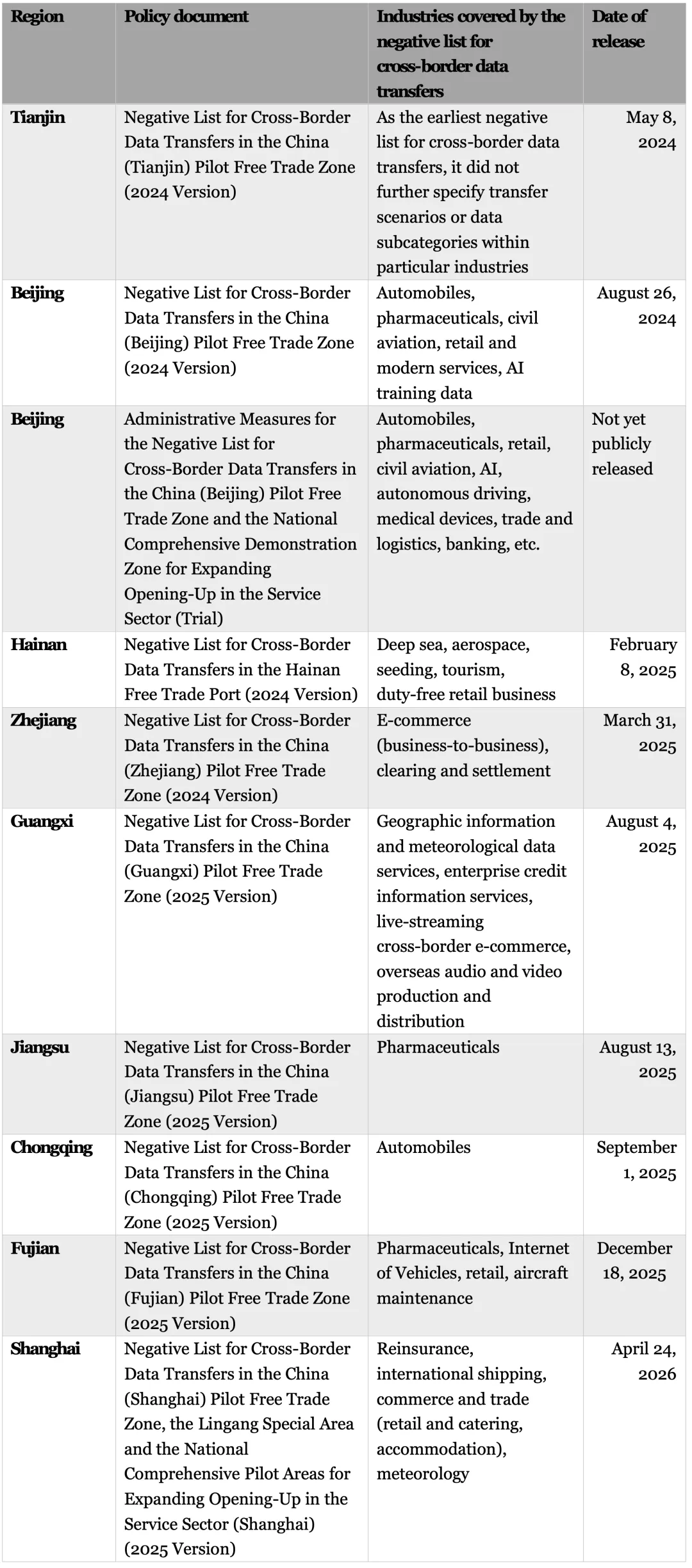
The updated rules continue to recognize negative lists for cross-border data transfers issued in other regions across the country. To date, pilot free trade zones and ports in nine regions nationwide have publicly released such negative lists, covering sectors including automobiles, retail, civil aviation, reinsurance, deep sea industries, seed breeding, geographic information and meteorology, and corporate credit information. This means that enterprises in Shanghai may make use of these negative lists for cross-border data transfers if they meet the industry sectors, transfer scenarios and applicable scope specified in the respective regional negative lists.
[To be continued]
One Week in Shanghai
Latest News
1. German Design Council Shanghai Representative Office Settles in Expo Qiantan
[Keywords: German Design Council]
On May 11, the German Design Council Shanghai Representative Office was established in Expo Qiantan. The Shanghai Representative Office will focus on promoting the deep integration of German “hidden champion” enterprises with the Chinese market, while helping Chinese enterprises expand overseas brand and product promotion. In addition, it will support face-to-face information exchanges between young Chinese designers and world-renowned design masters.
Source: Expo Jin’an
2. China’s First Individual Mediation Case in Foreign-Related Commercial Field Concluded in Pudong
[Keywords: Foreign-related commercial affairs, Individual mediation]
Recently, China’s first individual mediation case in the field of foreign-related commercial matters was concluded in the Pudong International Legal Service Center. This represents a substantive exploration by Pudong New Area in actively implementing the State Council’s new regulations and taking the lead in transforming the individual mediation system from legal provisions into concrete practice. This case is the first of its kind nationwide.
Source: Pudong Release
Corporate Activities
1. Australian ARB Group Establishes Its First Company in China in Changning
[Keywords: ARB]
On May 11, the China company of Australian ARB Group, a globally renowned manufacturer of off-road automotive accessories, officially settled in Changning, Shanghai.
Source: Shanghai Changning
2. Next Module Mobility Settles in Lingang
[Keywords: Next Module Mobility]
Recently, Next Module Mobility Automotive (Shanghai) Co., Ltd. held its opening ceremony in the Lingang Special Area. The company has a total gross floor area of approximately 86,000 square meters, including 11 high-standard industrial facilities as well as supporting facilities such as international talent apartments, restaurants, and supermarkets.
Source: Shanghai Lingang
Forums and Exhibitions
1. Shanghai Science Festival 2026 to Open Soon
[Keywords: Shanghai Science Festival]
The Shanghai Science Festival 2026 will be held from May 23 to 31. This year’s festival is expected to feature seven major sections, including the opening ceremony, conference events, science and technology resource opening activities, science popularization competitions, integrated science and culture tourism activities, media science communication programs and the closing ceremony. The festival will also encourage large-scale scientific facilities, key laboratories and other eligible science and technology resources to open to the public.
Source: Shanghai Science and Technology
2. Shanghai International MCN Conference 2026 to Open Soon
[Keywords: Shanghai International MCN Conference]
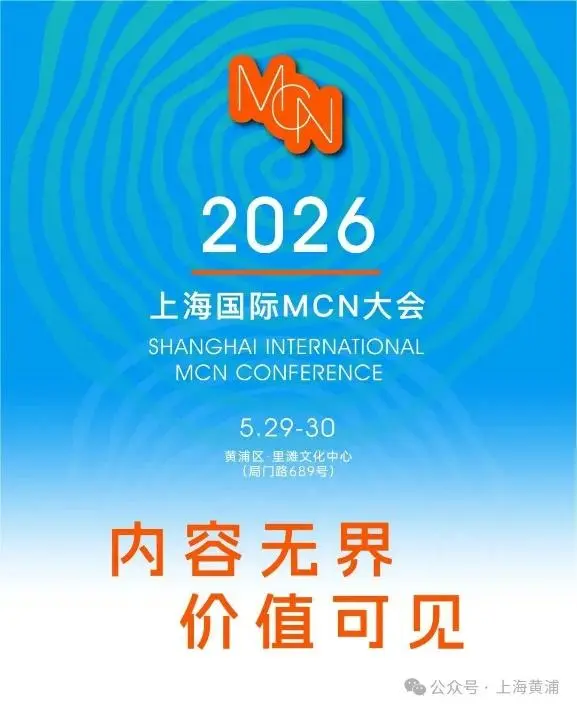
The Shanghai International MCN Conference 2026 will be held in Shanghai from May 29 to 30. With the theme of “Resonance· Synergy· Shared Future”, the conference will bring together hundreds of leaders of MCN institutions, 300 high-quality institutions, and thousands of industry professionals. The event will also release cultural and tourism orders worth tens of millions of yuan on site, while building four core value pillars focused on policy guidance, industry empowerment, industry standard setting and broader communication outreach.
Source: Shanghai Huangpu
Culture & Arts
1. “Splendors in Flowing Light: Special Exhibition of Qianlong Period Artifacts from The Palace Museum Collection” Opens
[Keywords: Palace Museum, Qianlong]

On May 18, the “Splendors in Flowing Light: Special Exhibition of Qianlong Period Artifacts from The Palace Museum Collection” officially opened at the Fengxian Museum. The exhibition features 121 pieces (sets) of treasured artifacts from the Palace Museum, including gold and silverware, porcelain, jade ware, lacquerware, writing implements, textiles and embroidery, Buddhist offerings and military equipment.
Source: Fengxian Museum
2. Special Exhibition “Stellar Splendor & Urban Pulse” to Open
[Keywords: Shanghai International Film Festival, Shanghai TV Festival]
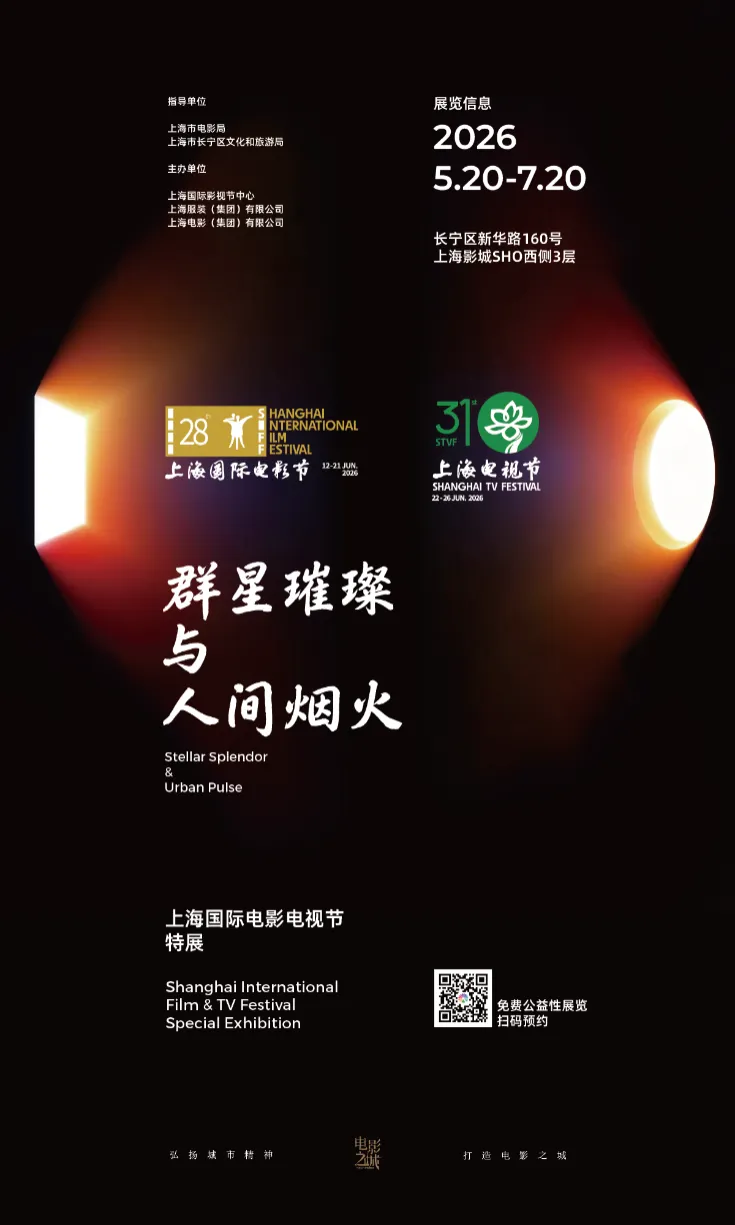
On May 20, the special exhibition “Stellar Splendor & Urban Pulse”, planned and launched for the first time by the Shanghai International Film & TV Festival, will officially open at Shanghai Film Art Center. Centered on “storytelling”, the exhibition traces the development of the Shanghai International Film Festival and the Shanghai TV Festival over the past decades through the perspectives of pioneers, industry participants, film enthusiasts and behind-the-scenes professionals.
Source: Shanghai TV Festival
3. Iris Bloom Season Launched
[Keywords: Iris]
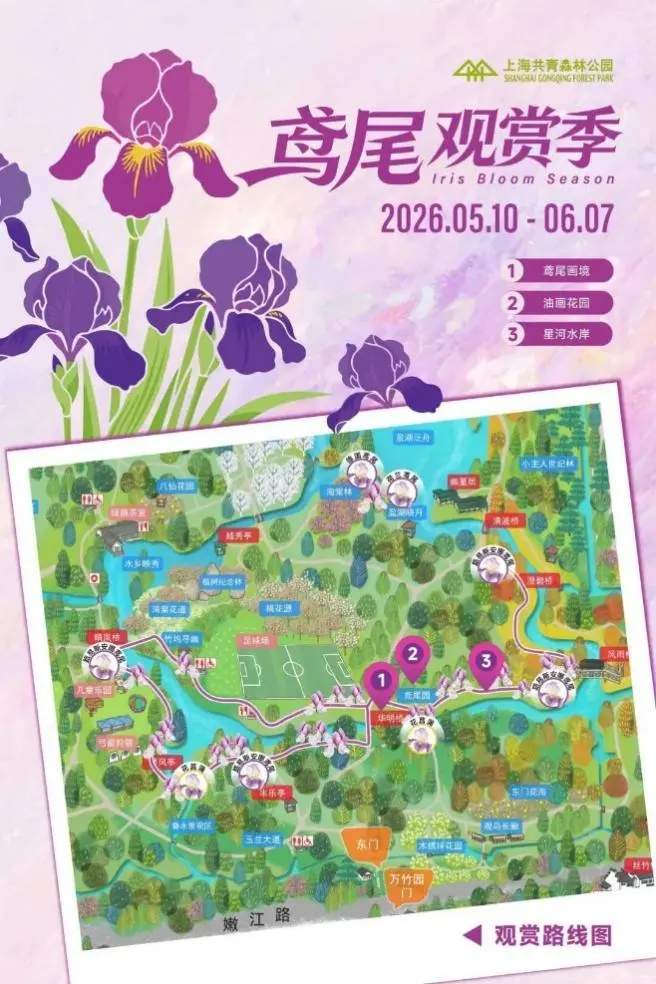
Recently, the Iris Bloom Season at Gongqing Forest Park officially opened and will continue through until June 7. This year’s event is themed “Starry Night Iris: Mirror Forest Realm” and features nearly 50 varieties of irises, including Louisiana, Japanese, Dutch, Siberian and German irises. The exhibition showcases flowers in a wide range of colors, including blue, white, purple, pink and yellow.
Source: Shanghai Tourism
4. Qingpu Museum Exhibition Launches: Decoding the Coexistence of Yangtze River Delta Civilizations
[Keywords: Yangtze River Delta Civilization]
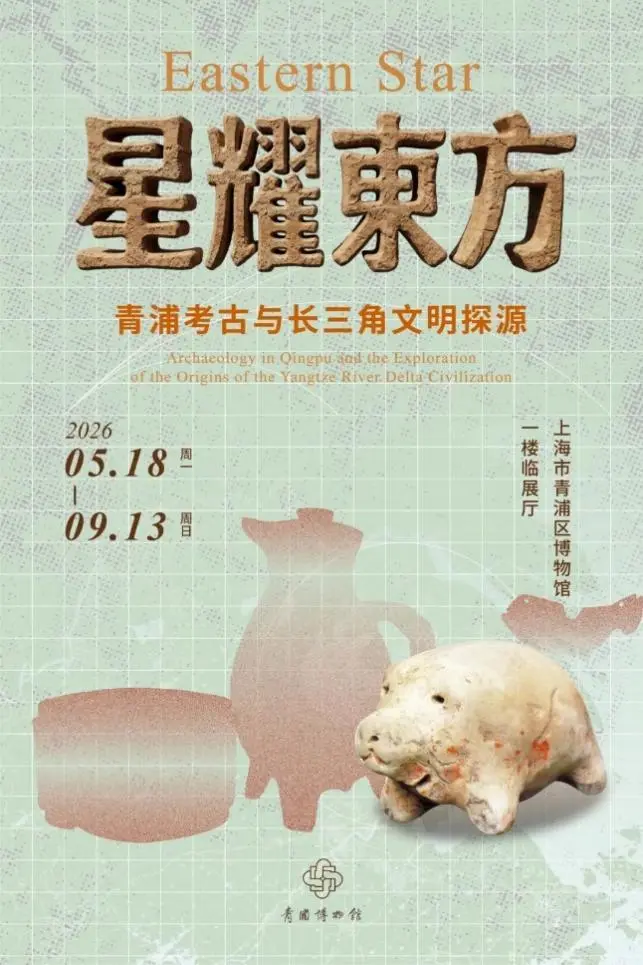
Recently, the exhibition “Eastern Star: Archaeology in Qingpu and the Exploration of the Origins of the Yangtze River Delta Civilization” grandly opened at the temporary exhibition hall of the Qingpu District Museum. This exhibition systematically reviews the achievements of half a century of archaeological work in Qingpu. With the strong support of the Shanghai Museum and in collaboration with nine museums across the Yangtze River Delta, it brings together exquisite prehistoric artifacts from various regions in the Delta. By bringing locally unearthed relics back to their hometown, the exhibition offers a comprehensive presentation of the exchange and coexistence of prehistoric civilizations from a regional perspective.
Source: Qingpu District Museum